NSW Workplace Hygiene Audit Checklist
Use this workplace hygiene audit NSW checklist to identify cleaning risks, verify standards and document corrective actions across commercial sites.
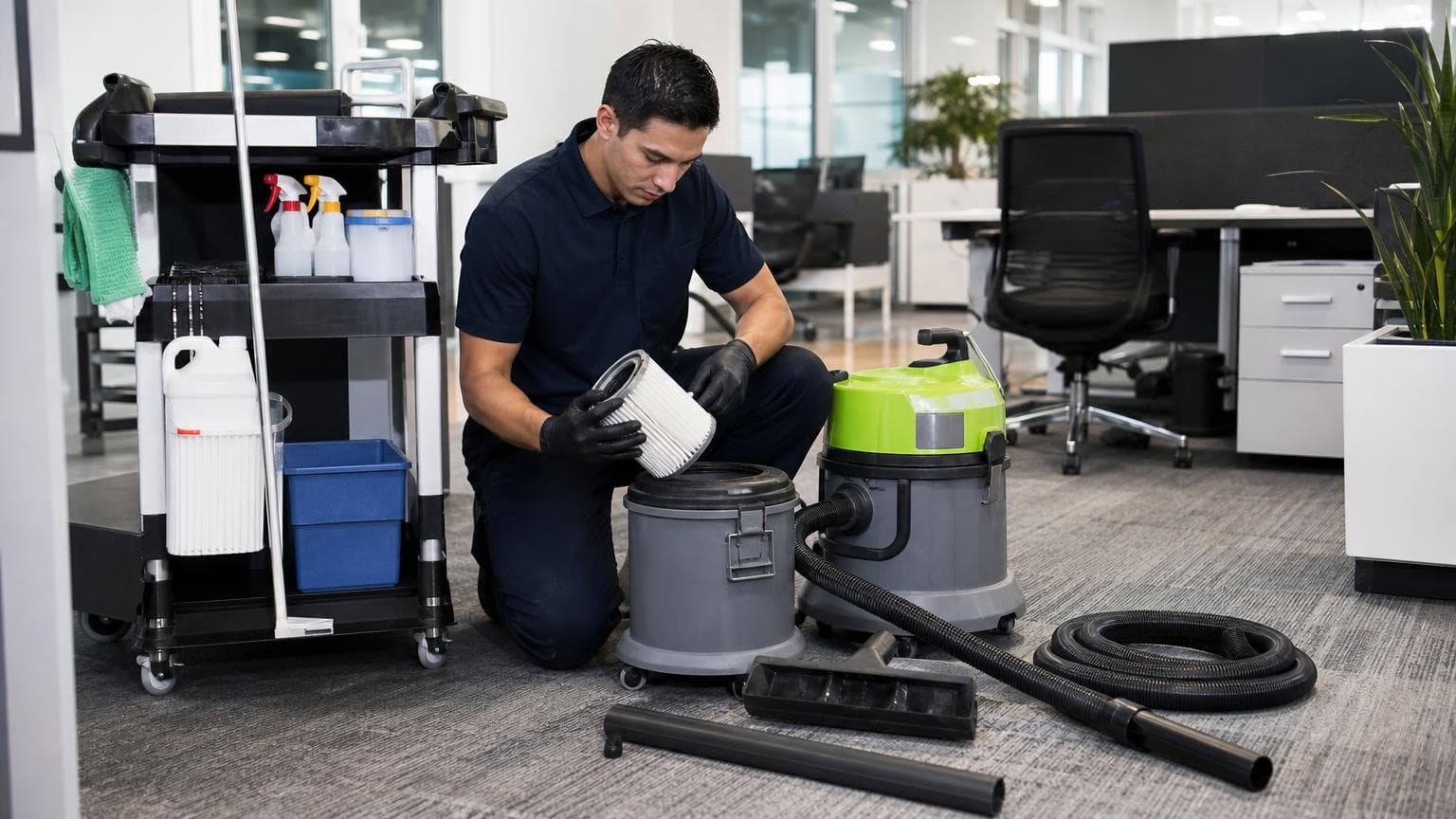
A workplace hygiene audit NSW businesses can use should do more than confirm that surfaces look clean. It should identify contamination risks, test whether cleaning tasks are completed to the required standard, and create a clear record of what needs to change. A consistent audit process helps offices, warehouses, schools, medical centres and other workplaces protect occupants, visitors and staff.
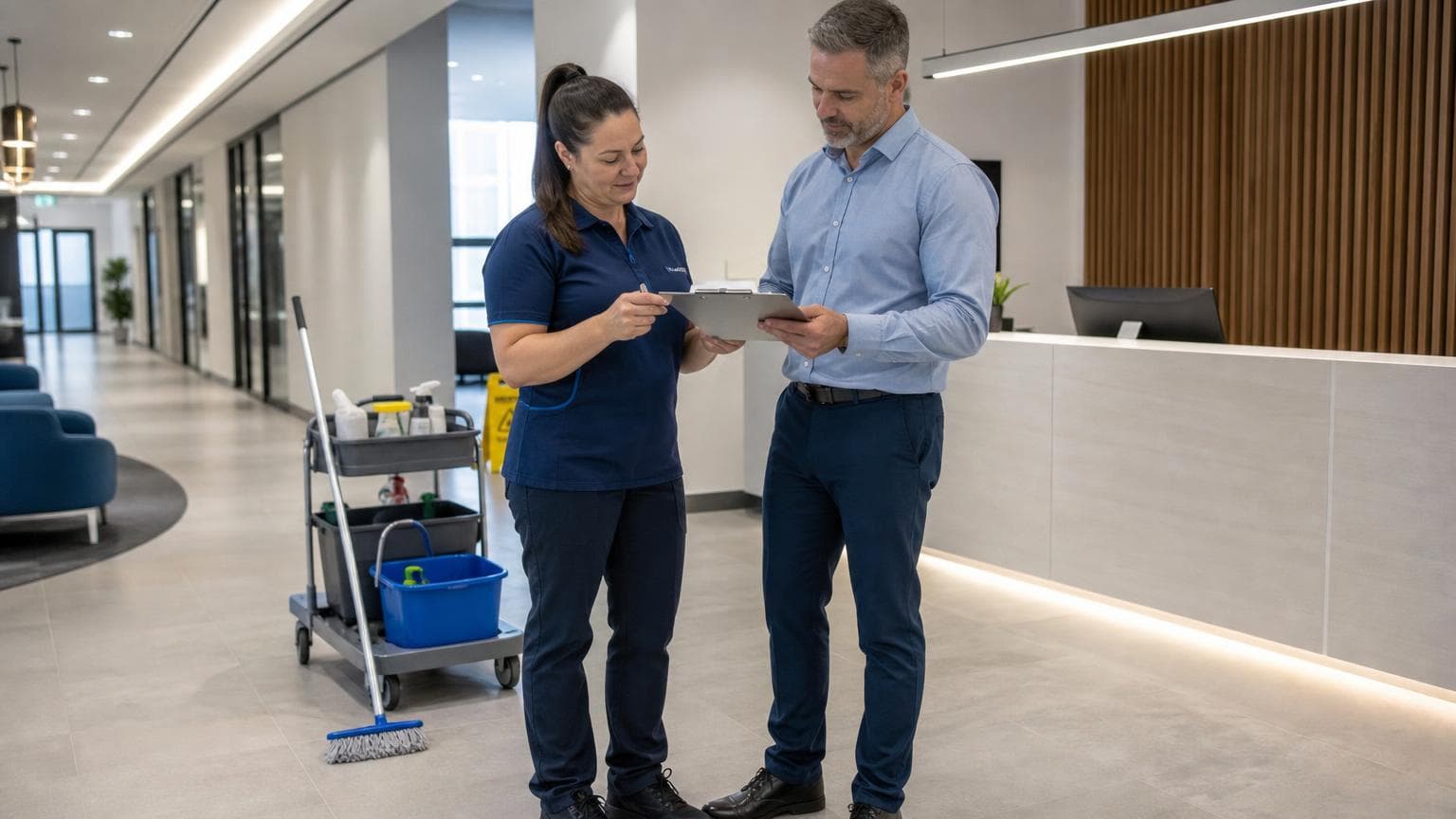
This practical checklist is designed for facility managers, business owners and cleaning supervisors. It can be used for a routine internal review, a contractor performance check or a follow-up after a hygiene concern.
What is a workplace hygiene audit?
A workplace hygiene audit is a structured inspection of cleaning conditions, hygiene practices, equipment, high-touch points, waste handling and documented procedures. It is not simply a visual walk-through. The auditor should compare the condition of the workplace with the site cleaning plan, risk profile and expected standard.
In New South Wales, the audit should also consider the way hygiene controls support workplace health and safety. Different premises require different controls. A medical centre may need close attention to clinical areas and hand hygiene, while a warehouse may require checks for dust, spills, amenities and high-traffic entry points.
Before the audit: prepare the inspection
A reliable audit starts before anyone enters the building. Gather the documents and information needed to understand what should be happening on site.
- Obtain the current cleaning scope, site map and task schedule.
- Identify higher-risk areas, including kitchens, bathrooms, reception desks, shared equipment and clinical or food-related spaces.
- Review previous complaints, incident reports, inspection results and unresolved actions.
- Confirm which areas are cleaned by employees, contractors or specialist providers.
- Check whether cleaning products, dilution instructions and safety data are available to workers.
- Choose an audit date and time that allows normal workplace activity to be observed.
Where cleaning is outsourced, the audit should assess the agreed service outcomes rather than assume that a completed task is effective. A signed checklist is useful, but it should be supported by observations of the actual site condition.
Workplace hygiene audit NSW checklist
1. Entry points and shared touchpoints
Start at the areas used by the greatest number of people. Inspect door handles, push plates, lift buttons, handrails, reception counters, intercoms, light switches and shared stationery or devices. Look for visible soil, fingerprints, residue and missed edges.
Check whether high-touch surfaces are included in the cleaning schedule and whether the method used is suitable for the surface. A surface can appear clean while still being neglected during busy periods, so compare the written frequency with what staff report and what the site condition indicates.
2. Workstations and shared equipment
Inspect desks, meeting rooms, keyboards, telephones, printer controls, kitchen appliances and shared tools. Do not assume that employees are responsible for every personal or shared item. The site procedure should clearly state who cleans each item and when.
- Check for dust accumulation around vents, skirting boards and under furniture.
- Inspect shared screens, buttons and handles for residue.
- Confirm that cleaning methods will not damage electronics or sensitive surfaces.
- Look for clutter that prevents cleaners from reaching floors and surfaces.
- Check whether meeting rooms are reset between uses where the site requires it.
3. Bathrooms and hand hygiene facilities
Bathrooms should be assessed for cleanliness, odour, consumable availability and maintenance defects. Inspect toilets, basins, taps, dispensers, cubicle surfaces, mirrors, floors and waste bins. Check less visible areas such as behind toilet pans, around pipework and along floor edges.
Record whether soap, paper products or hand-drying facilities are available and working. Note leaking taps, blocked drains, damaged dispensers and poor ventilation because these issues can undermine an otherwise adequate cleaning program.
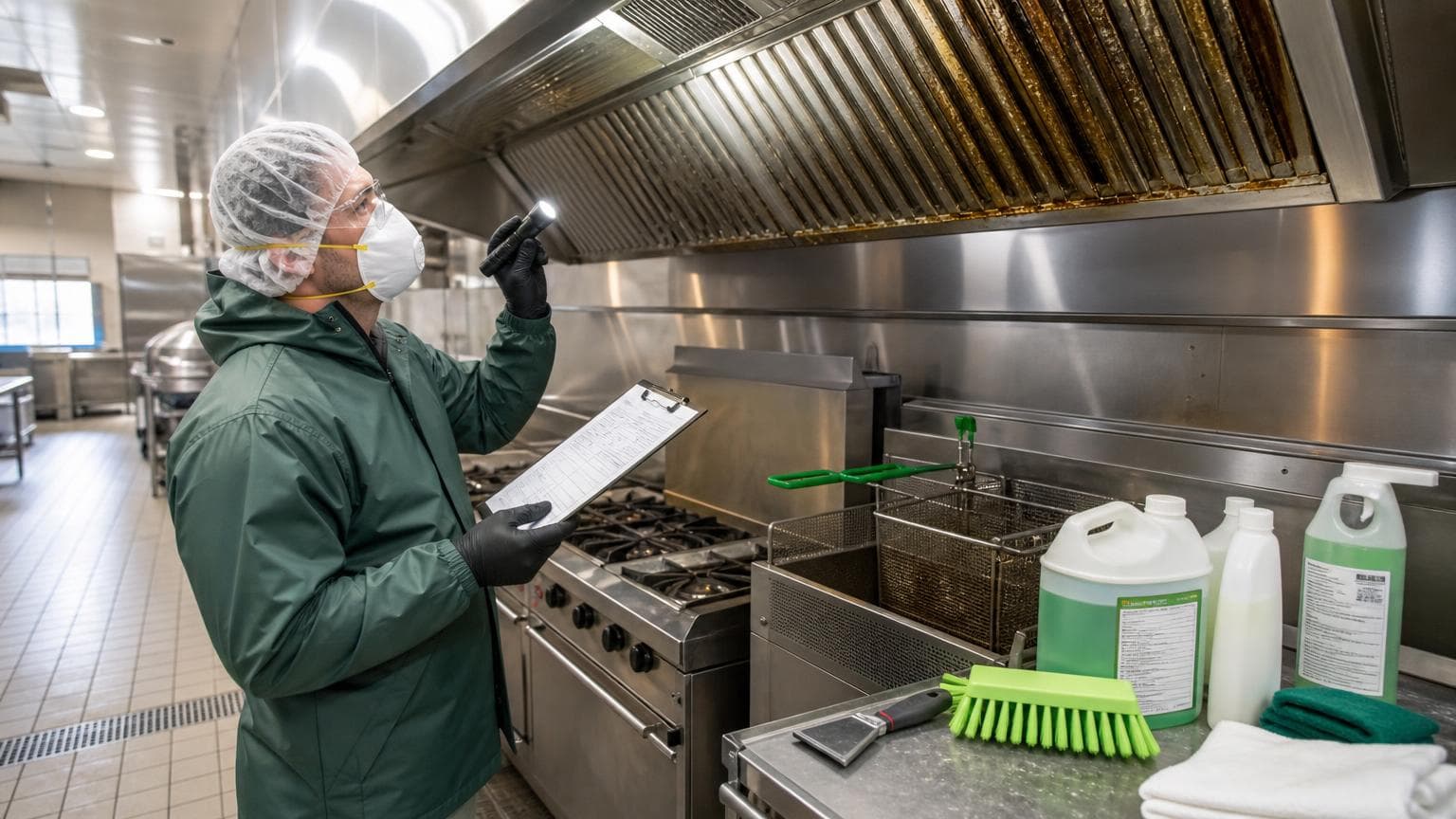
4. Kitchens, lunchrooms and food preparation areas
Shared food areas need close attention because spills and organic residue can attract pests and create unpleasant odours. Inspect benches, sinks, splashbacks, refrigerator handles, microwave controls, cupboard handles, tables, chairs and floors.
Check whether waste is removed at the required frequency and whether bins are clean, lined and positioned appropriately. Look for food residue in hard-to-reach areas and confirm that cleaning products are stored away from food and food-contact surfaces.
5. Floors, carpets and soft furnishings
Inspect floors for dirt at entrances, corners, under desks and around high-traffic routes. Check for sticky residue, spills, trip hazards and worn areas that need maintenance rather than cleaning alone. Carpets should be reviewed for staining, odour, embedded soil and dampness after cleaning.
For offices and facilities with substantial carpeted areas, a specialist program may be needed in addition to routine vacuuming. Eco Spark provides commercial carpet steam cleaning in Wagga Wagga as part of a broader approach to floor hygiene.
6. Waste handling and storage
Review internal bins, recycling stations, waste rooms and collection points. Check for overflowing bins, leaking bags, residue on bin lids, incorrect segregation and inadequate cleaning around storage areas. Waste handling procedures should explain what workers do if a bag leaks or a sharp or hazardous item is found.
In specialised environments, the audit must follow the site's established waste controls. Do not ask general cleaning staff to manage materials outside their training or agreed scope.
7. Cleaning equipment and chemical controls
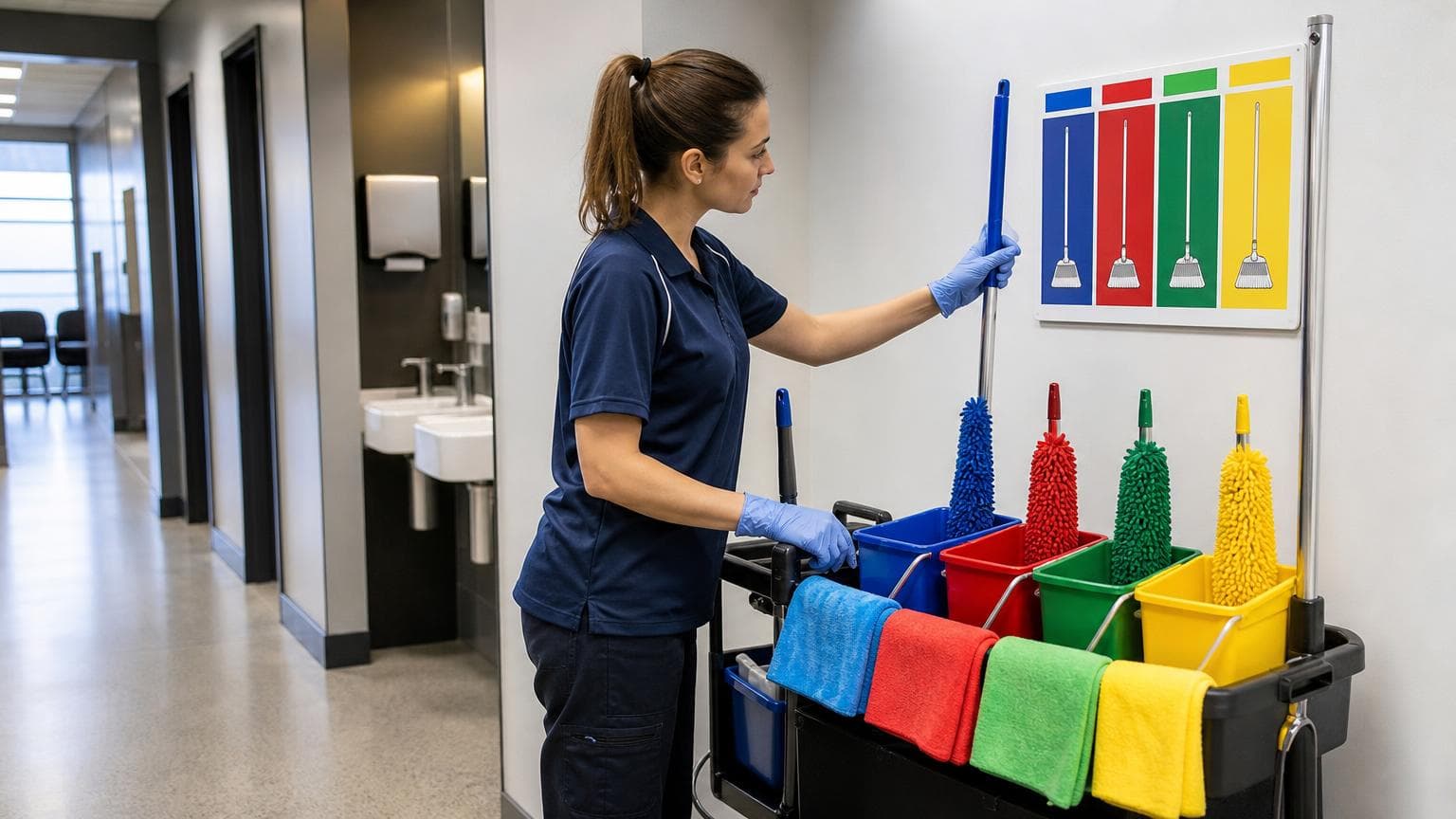
Cleaning equipment can spread contamination when it is poorly maintained or used across incompatible areas. Inspect mop heads, cloths, buckets, vacuum attachments, squeegees and storage cupboards. Look for clean and dirty equipment being mixed, damp items left in enclosed spaces, damaged tools and equipment that is visibly soiled.
Confirm that chemicals are labelled, stored securely and used according to manufacturer instructions. Check that workers have access to the relevant safety information and understand any required personal protective equipment. Eco-friendly products can support a lower-impact cleaning program, but they still need to be selected and used correctly for the task.
8. Specialist and higher-risk areas
Some sites require additional inspection points. In schools, review classrooms, play areas, staff facilities and high-contact surfaces. In warehouses, inspect amenities, loading areas, break rooms, dust-prone surfaces and spill response arrangements. In medical centres, assess waiting areas, consultation rooms and other areas according to the site's infection prevention procedures and professional requirements.
For sites with external surfaces or specialist hygiene needs, Eco Spark's specialised cleaning services for carpet, pressure washing and solar areas can be considered alongside routine commercial cleaning.
How to document findings
Every finding should be specific enough for another person to understand the problem without repeating the inspection. Avoid entries such as “clean better” or “bathroom issue”. Instead, record the location, observed condition, risk, required action, responsible person and due date.
A useful audit record includes:
- Audit date, time, site and auditor name.
- Area or asset inspected.
- Expected standard or relevant cleaning task.
- Observation and supporting photograph where appropriate.
- Risk rating based on site procedures.
- Corrective action and responsible person.
- Target completion date and verification method.
- Final status, including open, completed or escalated.
Use objective language. “Residue visible on the underside of the lunchroom microwave handle” is more useful than “kitchen was dirty”. Photographs should be handled in accordance with workplace privacy and information security procedures.
Corrective action process
An audit only creates value when findings are closed properly. Sort actions into immediate, scheduled and system-level responses.
- Immediate: Address spills, overflowing waste, unavailable handwashing supplies or other issues that require prompt attention.
- Scheduled: Arrange additional cleaning, stain treatment, high-level dusting or maintenance work.
- System-level: Review training, task frequency, site access, product selection, equipment condition or the cleaning scope if the issue keeps recurring.
Assign each action to a named role rather than a vague department. Once the action is reported complete, verify the result through a reinspection, photograph, work order or supervisor sign-off. Recurring findings should be analysed for patterns instead of being closed repeatedly as isolated defects.
How often should a hygiene audit be completed?
Audit frequency should reflect the workplace's size, use, risk profile, cleaning arrangement and history of issues. A busy public-facing office may need more frequent checks of touchpoints and amenities than a low-occupancy site. A warehouse, school or medical facility may require separate inspections for different zones.
Use routine spot checks for early warning, scheduled formal audits for documented review and additional audits after complaints, incidents, refurbishment, changes in occupancy or changes to the cleaning contractor. The important point is consistency: the same standards should be applied and results should be tracked over time.
When to engage a professional cleaning provider
Professional support may be appropriate when internal staff cannot maintain the required standard, specialist equipment is needed, the site has several building zones or corrective actions continue to recur. Eco Spark supports businesses with commercial and industrial cleaning services in Wagga Wagga NSW, including workplaces that need structured cleaning programs.
For office environments, you can also review Eco Spark's office cleaning services in Wagga Wagga and discuss the areas, frequencies and documentation your workplace requires.
Final checklist
Before closing a workplace hygiene audit NSW review, confirm that you have inspected high-touch areas, amenities, kitchens, floors, waste points, equipment storage and specialist zones. Make sure every defect has an owner, action and verification step. A clear record turns a one-off inspection into an ongoing improvement process.
To discuss an evidence-based cleaning program for your workplace, visit Eco Spark Facility Services and contact the team about commercial cleaning across NSW, including Wagga Wagga and surrounding areas.