Commercial Cleaning Equipment Maintenance in NSW
A practical NSW guide to commercial cleaning equipment maintenance, including daily checks, servicing, safe storage and fault management.
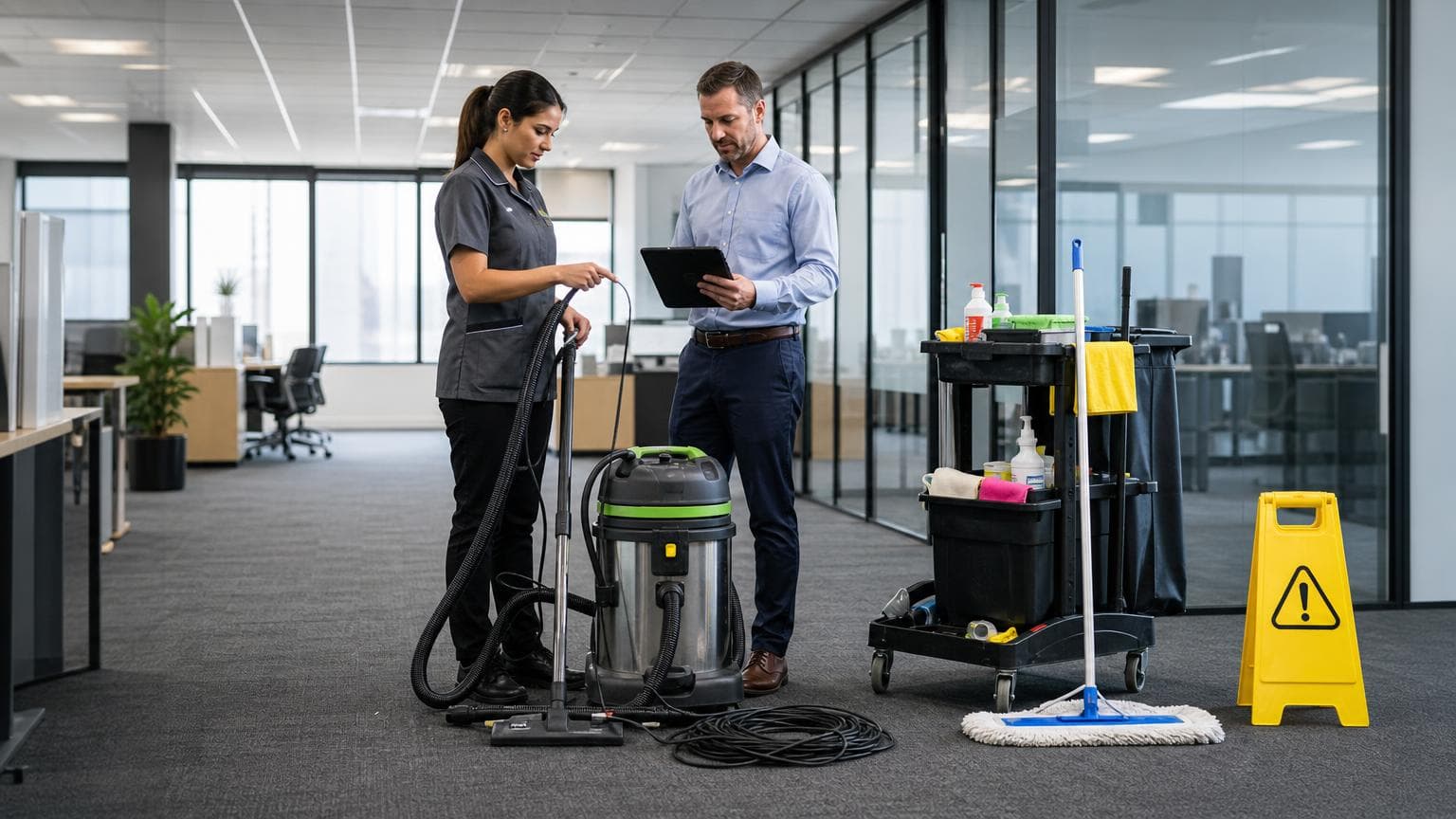
Reliable equipment is central to safe, consistent commercial cleaning. Vacuums, scrubber dryers, carpet extractors, pressure washers, steam machines and window cleaning tools all work hard across offices, warehouses, schools and industrial sites. Without a practical maintenance routine, small faults can become expensive breakdowns, create safety risks and interrupt scheduled cleaning.
This guide explains commercial cleaning equipment maintenance for NSW businesses and cleaning teams. It focuses on daily care, planned servicing, safe storage, fault reporting and asset control, so equipment remains ready for the work it is designed to do.
Why commercial cleaning equipment maintenance matters
Cleaning equipment is exposed to dust, moisture, chemicals, debris and repeated handling. A blocked filter can reduce vacuum performance. A worn squeegee blade can leave water behind. A damaged power lead can create an electrical hazard, while a neglected battery may lose capacity or fail during a shift.
Effective maintenance helps a facility or cleaning contractor to:
- Reduce avoidable downtime during scheduled cleaning.
- Maintain consistent cleaning results across different sites.
- Identify safety issues before equipment is used.
- Extend the useful life of machines and accessories.
- Control repair, replacement and consumable costs.
- Keep responsibility for equipment clear between supervisors and operators.
Maintenance is not a substitute for replacing equipment that is unsafe or no longer suitable. It is a routine process that supports better decisions about repairs, upgrades and replacement.
Start with an equipment register
A simple equipment register gives managers a clear view of what is being used, where it is located and what care it requires. This is particularly useful for businesses with several buildings, mobile cleaning teams or a combination of in-house and contracted services.
Record the equipment type, make, model, asset number, location, user group and purchase or hire details where available. Add the manufacturer maintenance instructions, required accessories and any relevant warranty information. The register can also include service dates, reported faults, repairs and the date the machine was returned to service.
Keep the register practical. A spreadsheet or facility management system may be sufficient, provided staff can update it and supervisors review it regularly. Equipment should not disappear from the maintenance process simply because it has moved between a head office, warehouse or regional NSW site.
Daily checks for cleaning equipment
Operators should complete a visual and functional check before and after use. The exact process will depend on the machine and the manufacturer instructions, but a useful daily routine includes the following:
- Check the body, wheels, handles, covers and guards for cracks, looseness or damage.
- Inspect plugs, power leads, battery connections and charging cables before use.
- Empty vacuum bags, tanks and debris containers when required.
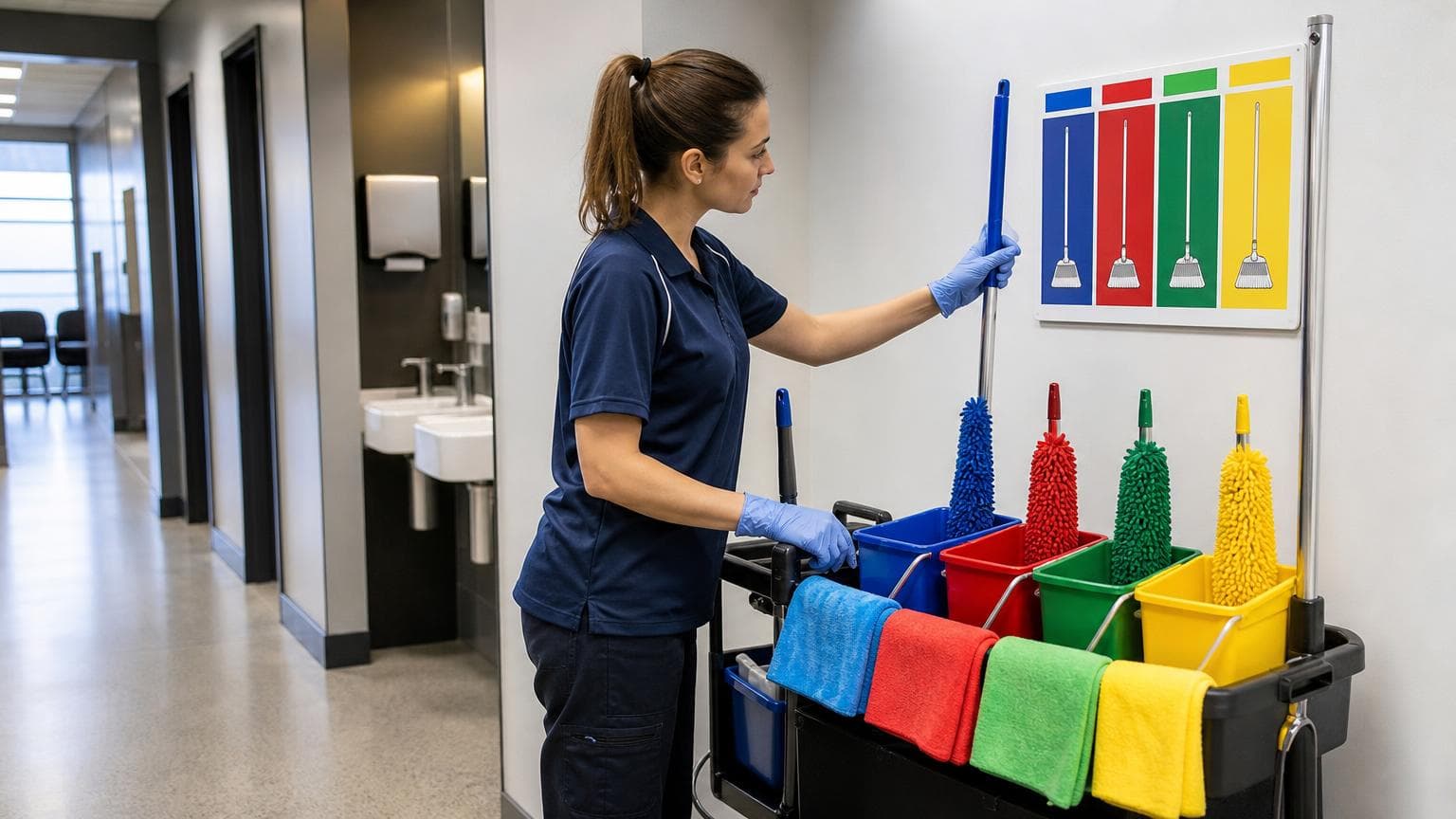
- Clean filters, brushes, pads, hoses, nozzles and squeegees according to the equipment instructions.
- Check that hoses and fittings are secure and free from blockages.
- Look for leaks, unusual smells, excessive vibration or unusual noise.
- Confirm that batteries are charging correctly and are stored as directed.
- Wipe down equipment before it is returned to storage, especially after use in medical, washroom or industrial areas.
- Report faults immediately and attach a clear out-of-service label where the equipment should not be used.
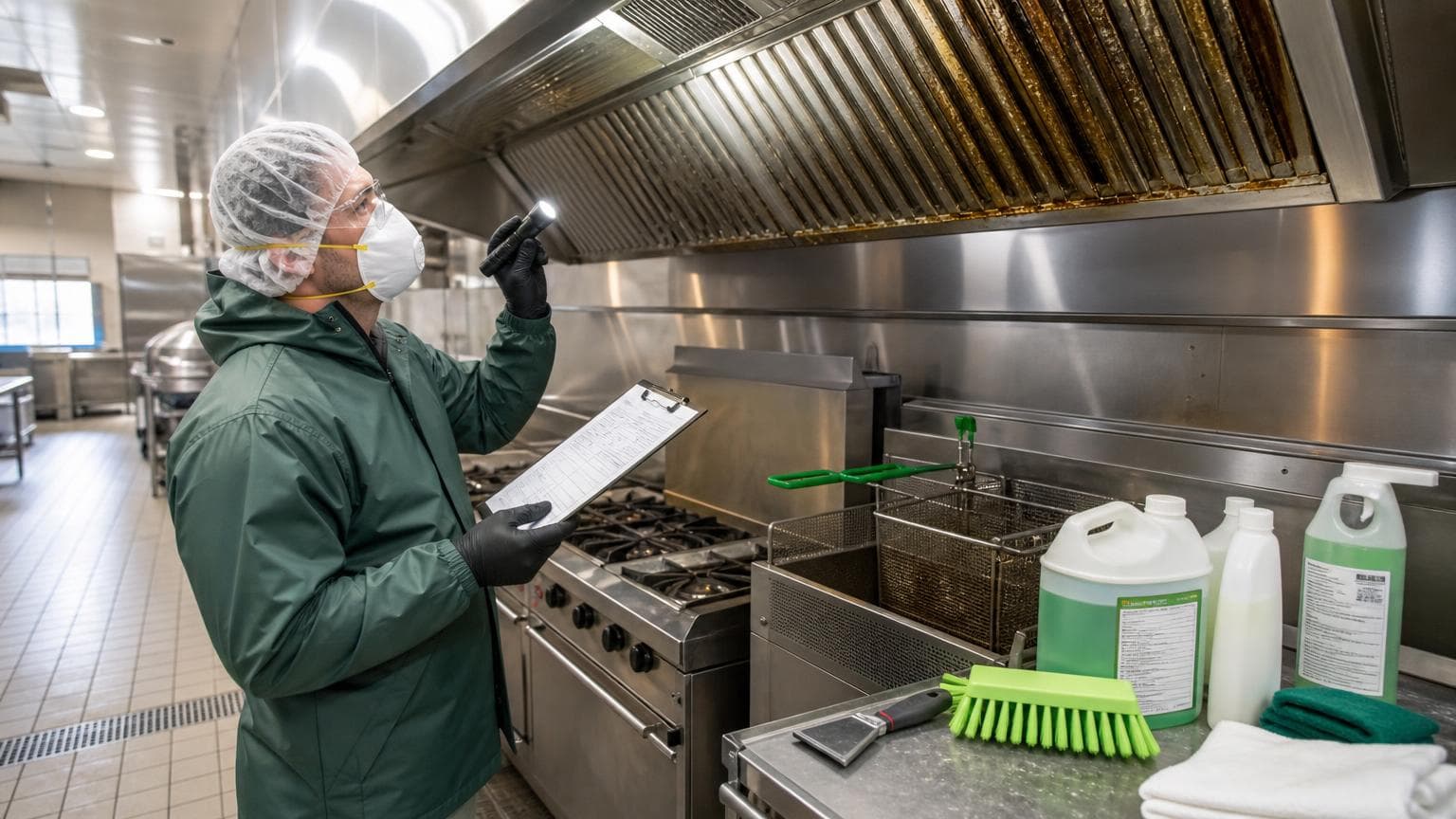
Daily cleaning is part of maintenance. Residue left on a machine can harden, cause corrosion, affect performance or transfer contamination to another area.
Weekly and periodic maintenance tasks
Daily checks identify obvious problems, but some components require a deeper inspection. Supervisors can schedule weekly, monthly or manufacturer-recommended checks based on usage, operating conditions and equipment type.
Commercial vacuums
Inspect the vacuum hose, floor head, filters, bag compartment, wheels and cable storage. Replace bags or filters when indicated by the manufacturer rather than waiting for a major loss of suction. Check that attachments are not cracked and that hair, thread and debris are removed from brush rollers. For a detailed buying and operating reference, review Eco Spark's guide to choosing the right commercial vacuum for an office.
Scrubber dryers and floor machines
Empty and rinse recovery tanks after use, clean brushes and pads, inspect squeegees and check water flow. Store tanks and removable parts in a way that allows them to dry. Inspect wheels, drive components and controls for signs of wear. Do not use a floor machine if its safety features, guards or controls are not operating correctly.
Carpet extractors and steam equipment
Flush solution lines where the manufacturer permits, empty recovery tanks and clean filters, hoses and hand tools. Check seals and connections for leaks. Store the machine dry and protect accessories from crushing or kinking. Teams handling carpet and upholstery work can also refer to Eco Spark's carpet cleaning services in Wagga Wagga to understand how specialist equipment supports this type of work.
Pressure washers and outdoor equipment
Inspect hoses, trigger guns, couplings, nozzles and water connections before operation. Check that filters are clean and that the machine is drained and stored in a suitable location after use. Keep electrical components protected from water and follow the manufacturer instructions for pressure, detergents and attachments. Eco Spark's high-pressure cleaning service covers the specialist approach required for external surfaces.
Window cleaning tools
Rinse squeegees, channels, washers, buckets and water-fed components after use. Replace worn rubber, damaged sleeves and compromised hoses. Water-fed poles should be stored securely to prevent bending or impact damage. Check any access equipment separately and remove it from service if it is damaged or unsuitable.
Safe servicing and fault management
Cleaning staff should only carry out maintenance they are trained and authorised to perform. Manufacturer instructions should guide disassembly, lubrication, filter replacement, battery care and electrical checks. More complex repairs should be referred to a suitably qualified service provider.
Before cleaning, clearing a blockage or changing a component, isolate the machine according to its instructions. Disconnect power where appropriate and allow hot components to cool. Use the required personal protective equipment and avoid mixing or applying chemicals in ways that are not approved for the equipment.
A clear fault process prevents damaged equipment from returning to service. Staff should record the asset, fault, location, date, operator and immediate action taken. Supervisors can then decide whether the machine needs cleaning, a minor approved adjustment, professional repair or replacement. A machine marked out of service should be stored separately or otherwise controlled so another person does not use it by mistake.
Storage, charging and transport
Good storage protects equipment between shifts. Keep machines in a dry, secure and ventilated area that is suitable for their size and operating requirements. Do not leave leads tightly wrapped around sharp edges, hoses kinked or wet equipment sealed in a way that prevents drying.
Charging areas should be organised to prevent trip hazards and unauthorised use. Follow the battery manufacturer's requirements for charging, ventilation, temperature and storage. Inspect chargers and batteries for damage, overheating or swelling, and escalate concerns rather than improvising a repair.
When transporting equipment between NSW sites, secure machines so they cannot shift or fall. Empty tanks where required, protect fragile parts and keep chemicals separate from equipment that could be contaminated. A short loading and unloading checklist can prevent damage before a machine reaches the next job.
Build maintenance into the cleaning plan
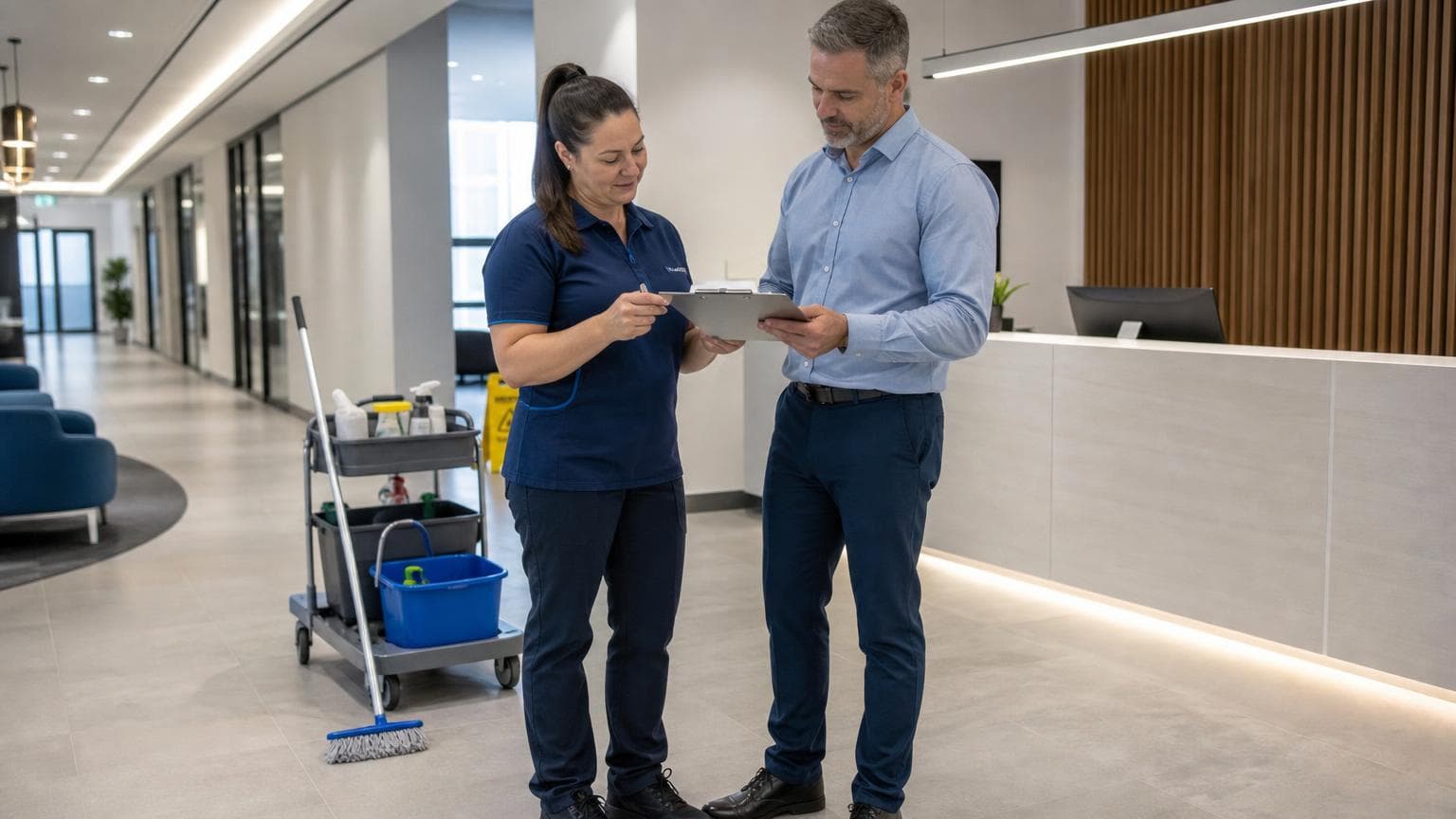
Maintenance is easier when it is assigned rather than assumed. Include equipment checks in induction, site procedures and supervisor reviews. Each machine should have a nominated person responsible for confirming its condition, while every operator should understand how to report a fault.
Plan servicing around actual use. A machine used every day in a busy warehouse may need attention more often than equipment used occasionally in a small office. Dusty industrial conditions, frequent wet cleaning and long travel between sites can all influence the appropriate routine.
For businesses managing multiple premises, consistent procedures are especially important. Eco Spark provides commercial and industrial cleaning services in Wagga Wagga and NSW, with cleaning requirements that can vary between offices, warehouses and specialised environments.
When to repair, replace or call a specialist
Repeated faults, declining performance, unavailable parts and excessive repair time may indicate that an asset is no longer economical or suitable. Consider the machine's safety, reliability, workload, operator feedback and compatibility with the surfaces and chemicals used on site.
Call a qualified service provider when a fault involves electrical components, internal motors, pressure systems, battery damage or any repair outside the team's training. Specialist cleaning tasks may also require equipment that a general facility should not purchase or maintain itself. Eco Spark's specialised cleaning services include carpet, pressure and solar cleaning support across NSW.
Commercial cleaning equipment maintenance checklist
- Is the equipment listed in the asset register?
- Has the operator completed a pre-use visual check?
- Are filters, tanks, brushes, pads and attachments clean?
- Are leads, plugs, batteries, hoses and controls in safe condition?
- Has the machine been cleaned and dried before storage?
- Are service and repair records current?
- Are faults clearly reported and unsafe equipment removed from use?
- Are staff following manufacturer instructions and site safety procedures?
Consistent commercial cleaning equipment maintenance protects people, surfaces, schedules and business assets. If your NSW workplace needs reliable cleaning supported by appropriate equipment and experienced teams, contact Eco Spark Facility Services for commercial cleaning support.